Bulletin #10: Updated Principles for the AI Era: Re-Anchoring Trust in Advertising

Building Trust at Scale

Advertising has entered a new phase of maturity, one defined not just by creativity or reach, but by systems, scale, and consequence. AI-mediated advertising and influence are no longer emerging practices. They are now embedded across the media ecosystem, shaping decisions, markets, and public trust at unprecedented scale.
Every mature profession updates its governing principles when the underlying technology and risks change. Law, medicine, finance, and engineering have all done so repeatedly. Advertising is no exception.
New Principles for the AI Era
The updated IAE Principles are not cosmetic revisions. They reflect a structural shift in how advertising influence is designed, deployed, and governed when AI systems are involved.
These Principles are built to be operational, auditable, and system-level addressing upstream design choices, not just downstream disclosures. They move beyond the question of “Is this legally permitted?” to the harder and more consequential question: “Is this likely to build and retain consumer and market trust when scaled?”
Developed with a multi-stakeholder mindset, the updated Principles recognize that trust in advertising cannot rest on individual actors alone. It must be supported by shared standards, education, and accountability across the ecosystem.
Pull-Out Metrics:
• 5,000+ certificants
• 220+ companies & universities
This work is already in use. Today, more than 5,000 professionals across 220+ companies and universities hold IAE certifications. Ethics is increasingly becoming operational, measurable, and teachable, not as a constraint on innovation, but as the infrastructure that allows innovation to endure.
Strengthening Leadership for the Moment Ahead
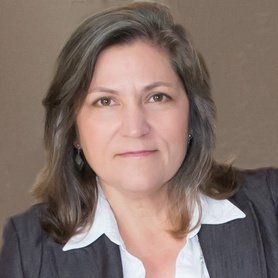
The Institute for Advertising Ethics announces the appointment of Dr. Dana S. LaFon as an IAE Senior Fellow, Behavioral Science strengthening the Institute’s leadership at a pivotal moment for AI-mediated influence and information integrity.
Dr. LaFon concluded a distinguished career in public service as the senior-ranking civilian executive responsible for influence psychology at the National Security Agency, where she founded and led the Office of Operational Psychology. Her work applied behavioral science to assess and counter information manipulation and malign influence at scale.
Following her government service, Dr. LaFon served as a Senior Intelligence Fellow at the Council on Foreign Relations, advising leaders on disinformation, national security, and resilience in the information environment.
That work reflects a shift from reactive, after-the-fact enforcement toward preventive, system-level governance, applying behavioral science to understand how influence, incentives, and design choices shape outcomes at scale. This approach strengthens self-regulation by addressing risks upstream, before trust breaks, and aligns advertising governance with how modern influence systems actually operate.
In her role at IAE, Dr. LaFon will contribute research and practical frameworks to help the advertising ecosystem address emerging integrity risks as AI systems increasingly shape public discourse
Educating the Next Generation
The updated IAE Principles are designed not only for today’s practitioners, but for the next generation of advertising leaders now entering the field. The revised Principles will be published in January and made publicly available at IAEthics.org, reinforcing IAE’s commitment to open, teachable, and widely accessible standards.
Their implications for advertising education will be a central focus during Michigan State University Ethics Week, where faculty, students, and industry leaders will examine how ethical frameworks must evolve alongside AI-mediated influence.
This discussion will extend beyond campus through a national webcast convening professors, influencers, and advertising executives throughout the week of February 16–20, creating a shared forum to align education, professional practice, and emerging standards for the AI era.
For more information about this event contact info@iaethics.org
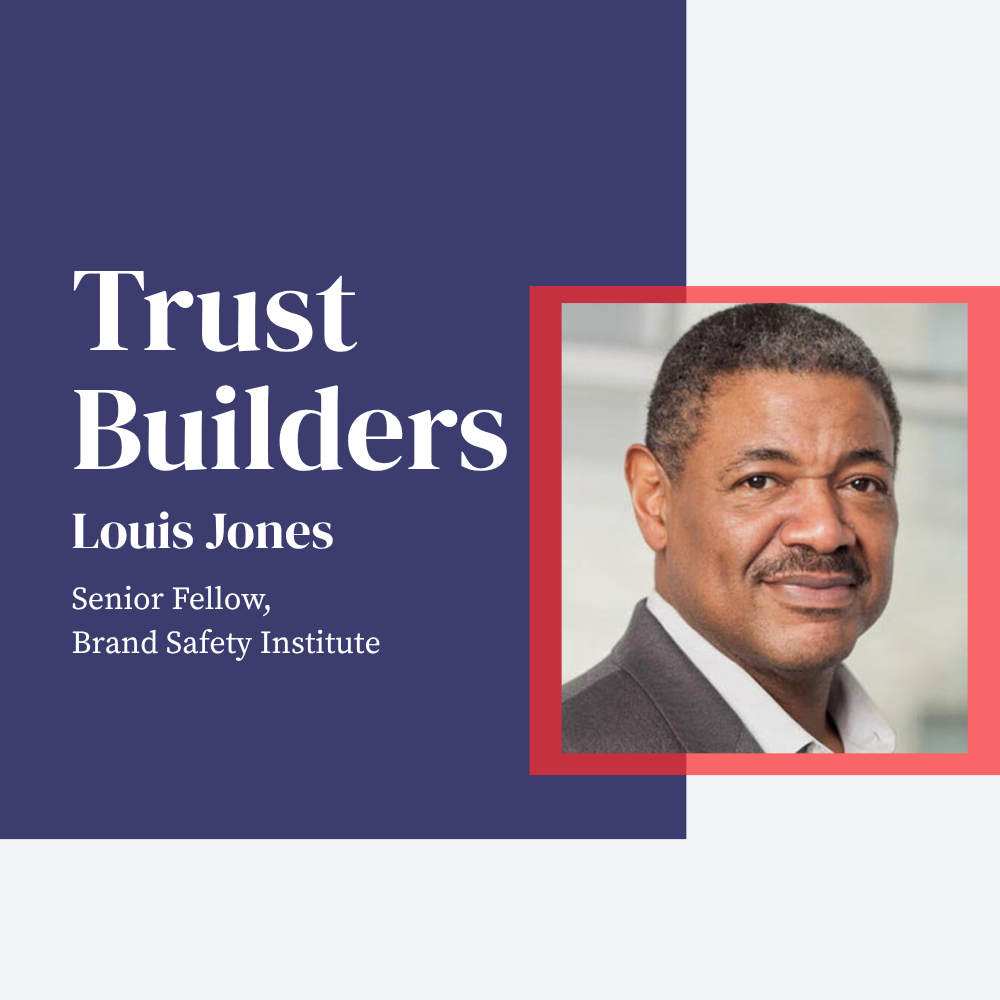
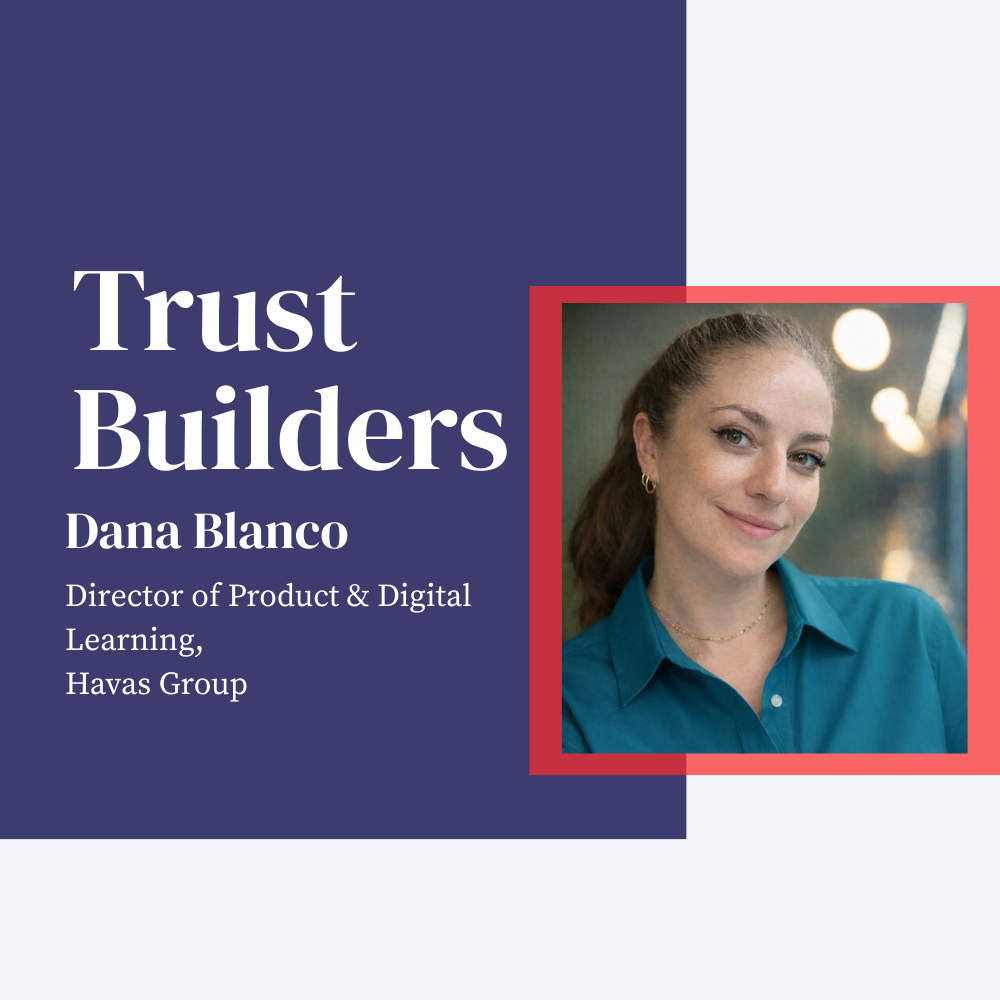
Invitation: Trust Builders
The IAE is launching a Trust Builders initiative and inviting professionals to share stories of difficult decisions where the ethical path was not the easiest, but made a meaningful difference.
These are not stories of perfection. They are stories of judgement, crafting a balance, and leadership under pressure. By sharing them, we help normalize ethical decision-making as a core professional skill.
Looking Ahead: AI Integrity Day — April 22
We invite you to raise your hand if you are interested in participating in AI Integrity Day on April 22. This will be a working session for leaders who want to help shape the standards, practices, and governance models defining ethical advertising in the AI era.
Share