Trust Builders: Sarae Perez
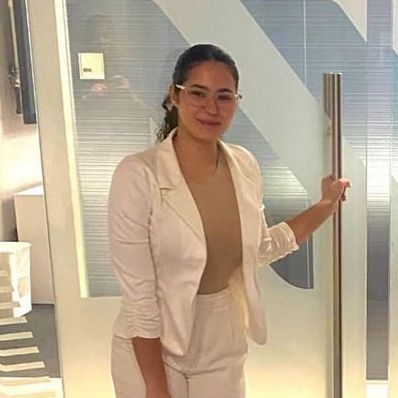
Meet Sarae! A member of our Trust Builders community.
Sarae is the Supervisor of National Sales at New York Interconnect. She is in charge of overseeing the daily operations of the sales department while managing a team of Account Managers. Her team is also responsible for managing and optimizing political budgets.
How have IAE's certifications impacted you, your career, and your approach to ethical advertising?
As a 24-year-old early in my career, the IAE certifications have given me a significant advantage by strengthening my qualifications and credibility at a young age. Once I graduated with my Bachelors, I started my career at New York Interconnect as an account manager. However, I went into the advertising industry with little to no knowledge of the landscape as I majored in Social Sciences and History. These majors equipped me with the necessary skills for the job, but the certification allowed me to understand how to apply those skills to the specific role. Almost two years ago, I took the IAE Executive certification course to help fill in some of those gaps.
Earning the certification tremendously helped in my promotion to Supervisor of National Sales. Being one of the youngest employees at my company, this certification gave me a competitive edge over other candidates. It showed the hiring managers my commitment to professional growth and gave me a solid foundation needed for a leadership role. Ultimately, it helped position me as a serious contender and gave the hiring managers the confidence that I was prepared to take on greater responsibility despite my age and I hope the same for other young professionals. The certifications have empowered me to contribute a fresh perspective in conversations with more experienced professionals, helping me stand to out and grow with confidence.
What Ethical Advertising Principles and Practices do you actively apply in your work and how?
In my role, I actively apply several of these principles in the daily operations and decision-making. Overseeing a team of Account Managers, I make sure that our practices support business goals and also uphold integrity, and transparency.
Principles 1 & 2
We prioritize accuracy and honesty in all sales communications and campaign strategies. I work closely with my team to make sure that every proposal, report, and recommendation is fact-based and transparent, avoiding any form of consumer deception.
Principles 4 & 9 Our team practices full transparency with clients and partners regarding budget allocations, vendor arrangements, and any form of media incentive. We are especially diligent in disclosing all material conditions that may influence messaging, particularly in political campaigns, ensuring ethical endorsements and fair messaging.
Principles 7 Given the sensitivity and scrutiny of political advertising, we are highly vigilant about compliance with all federal, state, and local advertising laws. This includes adhering to FCC guidelines and partnering only with reputable vendors and agencies.
Principle 8 I foster a team culture where open dialogue is encouraged. Our team members are empowered to voice any and all concerns about any aspect of our work, and we always address these internally with transparency and accountability.
Why is ethics important for advertising?
I recently took a management course that allowed me to gain more insight on how to effectively do my job while also understanding the nuances that the social climate requires us to think about. I think ethics in advertising is not only extremely important but it's smart business. It makes sure that communication is honest, respectful, and aligned with public interest, which benefits consumers, companies, and society as a whole. It directly influences the trust and credibility of our company. We live in a unique social climate where there is mistrust between consumers and the information available to them. If we can play a small part in alleviating consumer concerns, it goes a long way.
Companies should be proactive in ensuring that ethical principles are being followed because if not, they risk being viewed as a yet another company that people do not want to support. If people think a company or brand is trying to deceive them, they can receive a lot of backlash and ultimately fail. In the current social media landscape, it's very common that people are actively calling out bad practices and companies to "not support." Cancel culture is at an all-time high, and if companies don't get on board, they will be lost.
What are some of the biggest ethical challenges you see in advertising today and how do you think these challenges can be overcome?
I think one of the biggest ethical challenges in advertising today is the misuse of consumer data, which can compromise privacy and trust. Another big one is misleading or deceptive content, especially in political advertising, which requires stricter fact-checking and transparency. Targeting vulnerable audiences also raises ethical questions, making it necessary to consider the social impact of advertising messages. I think these challenges can be addressed by fostering a culture of accountability, enforcing clear industry standards, and prioritizing transparency in all aspects of media and client relationships.
Can you share a time when you encountered an ethical dilemma? What were the outcomes?
In this past election cycle, I encountered a situation where a political client requested ad placements that could have blurred the lines between paid content and editorial programming. Although the buy was significant and met performance goals, it raised concerns about audience perception and specifically, compliance with FCC guidelines. After discussing the situation with leadership, we decided to adjust the placement strategy to ensure a clear distinction between political advertising and editorial content. It required reworking part of the campaign and pushing back on the client. The decision protected our integrity, maintained viewer trust, and reinforced our commitment to ethical standards. It also strengthened our relationship with the client.
We want to highlight you too! Fill out this form
to be featured on our Trust Builders Spotlight.
Join our growing Trust Builders community!
Click the shields below to learn
more & get certified.
Share